Sorry, you are not allowed to access this page.
Ruinart supports the moderate consumption of wine and spirits through Moët Hennessy, a member of Wine in Moderation.
PLEASE DRINK RESPONSIBLY

Ruinart supports the moderate consumption of wine and spirits through Moët Hennessy, a member of Wine in Moderation.
PLEASE DRINK RESPONSIBLY
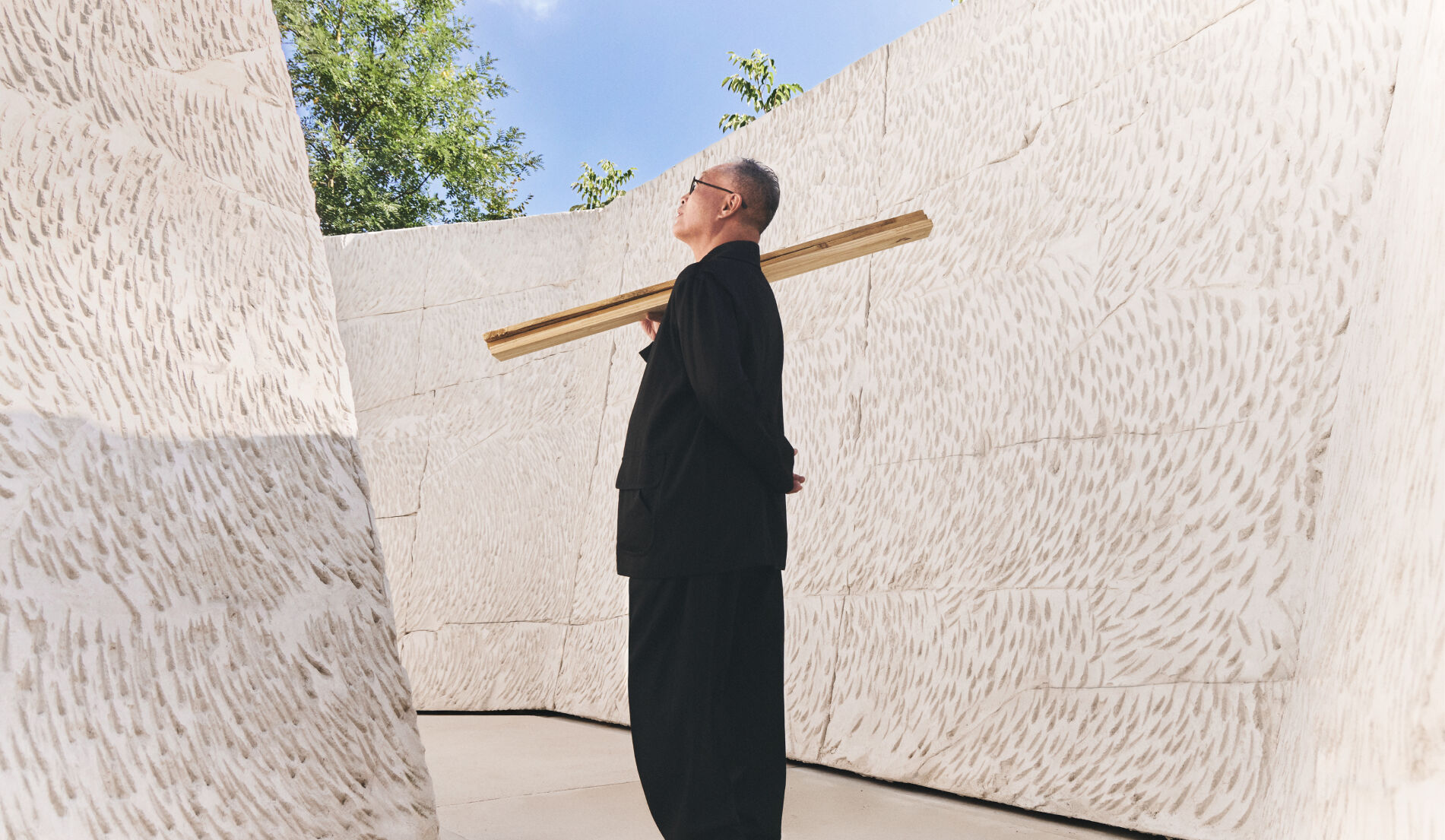
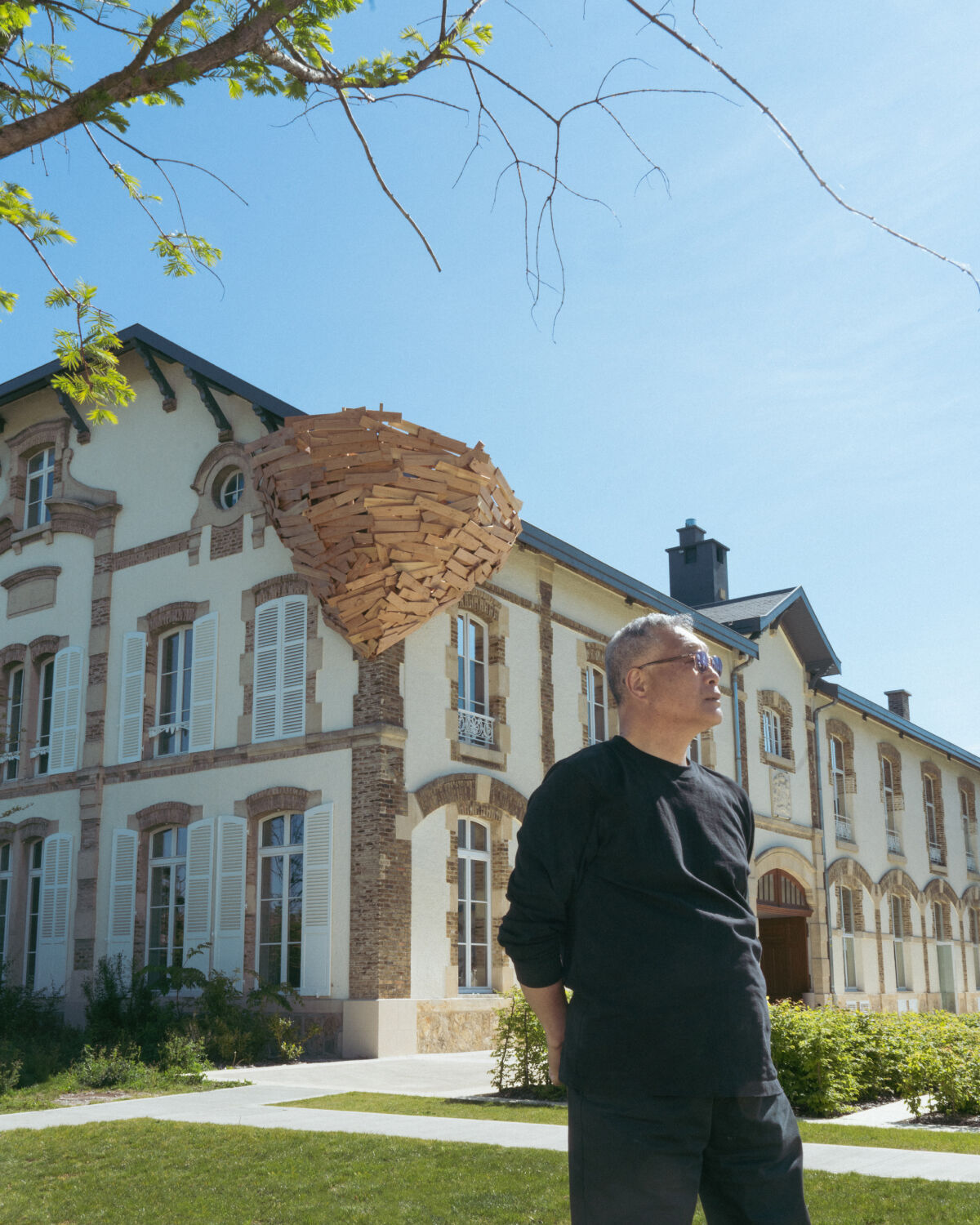
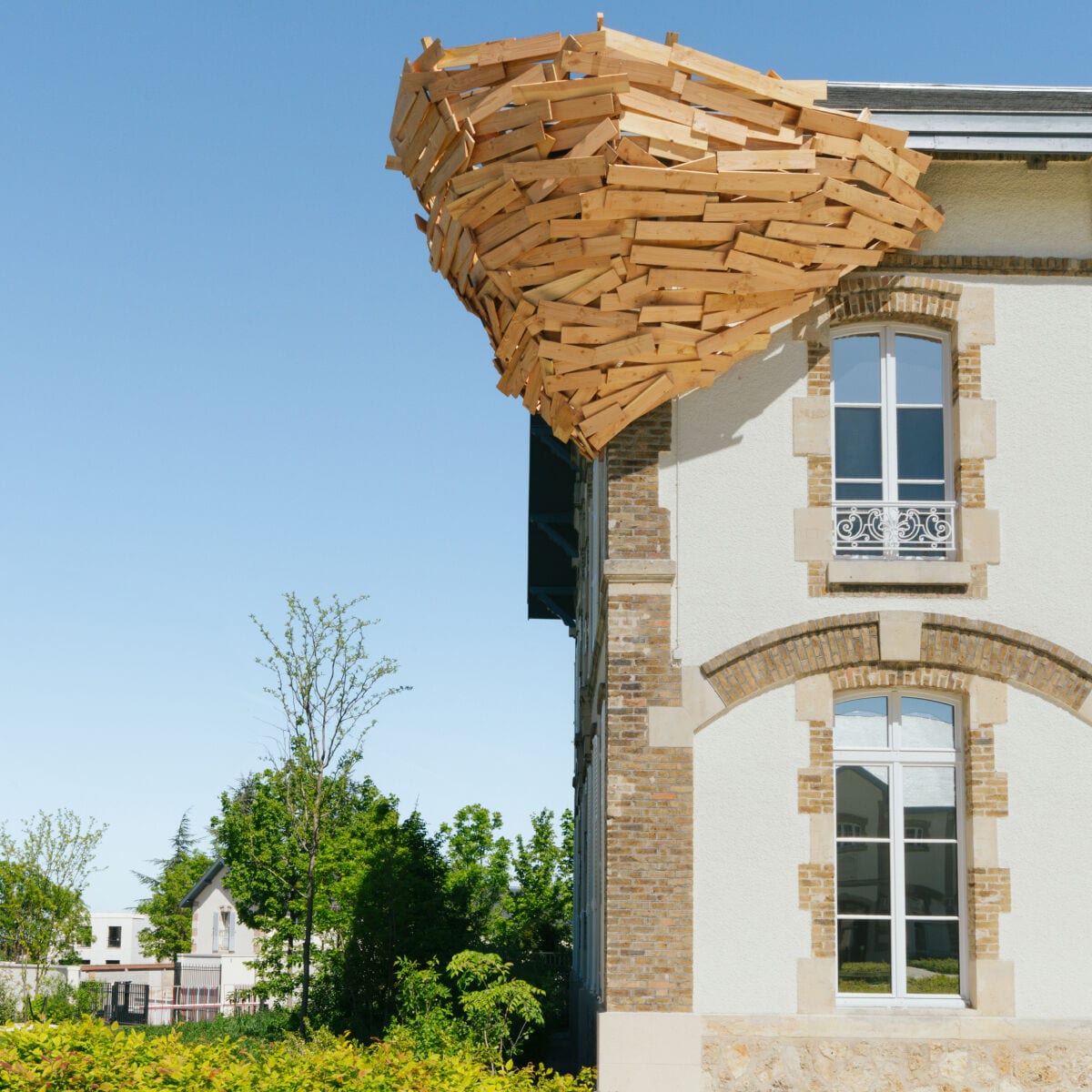
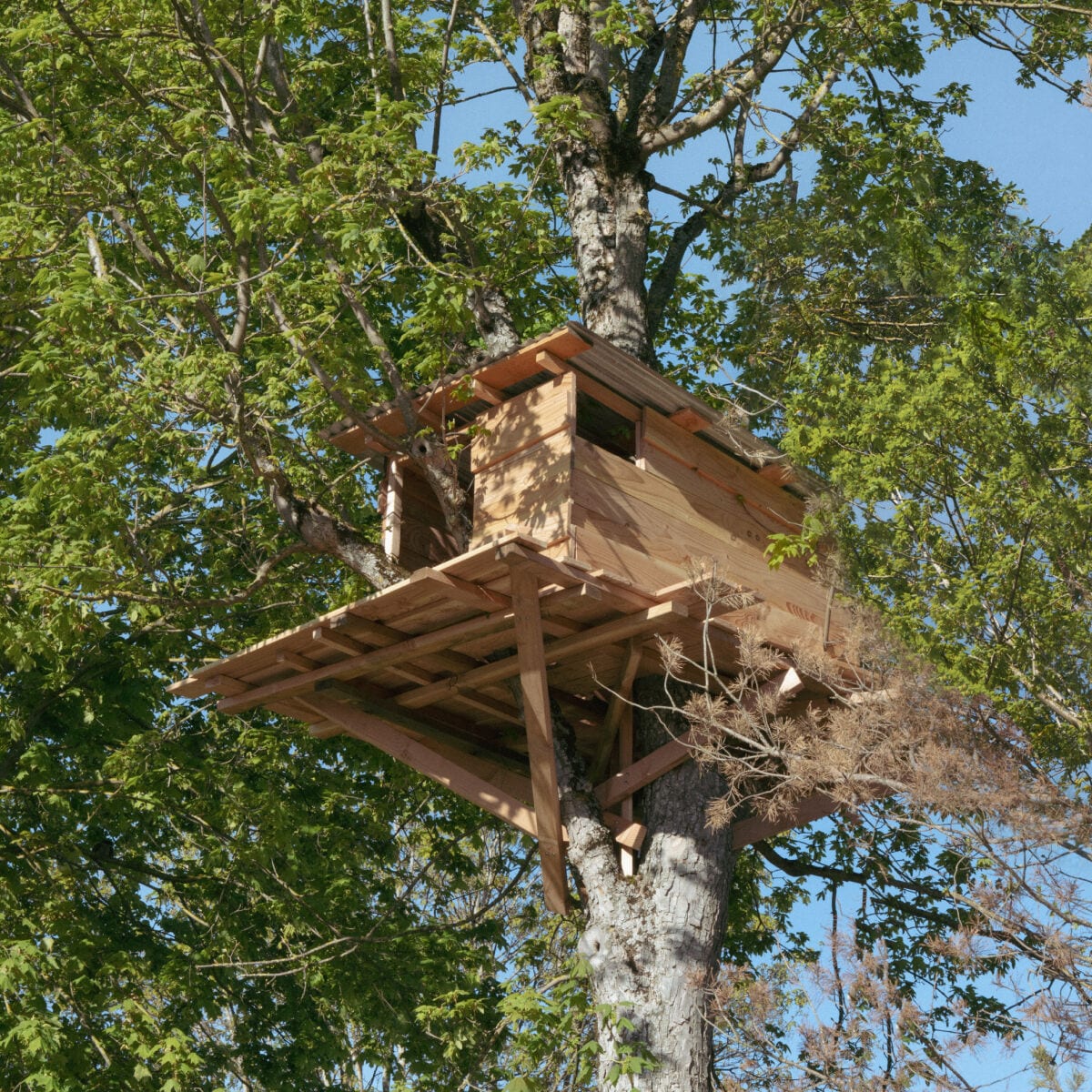
The installations by Tadashi Kawamata can be discovered at the heart of 4 RUE DES CRAYÈRES, within the gardens of the Maison Ruinart.
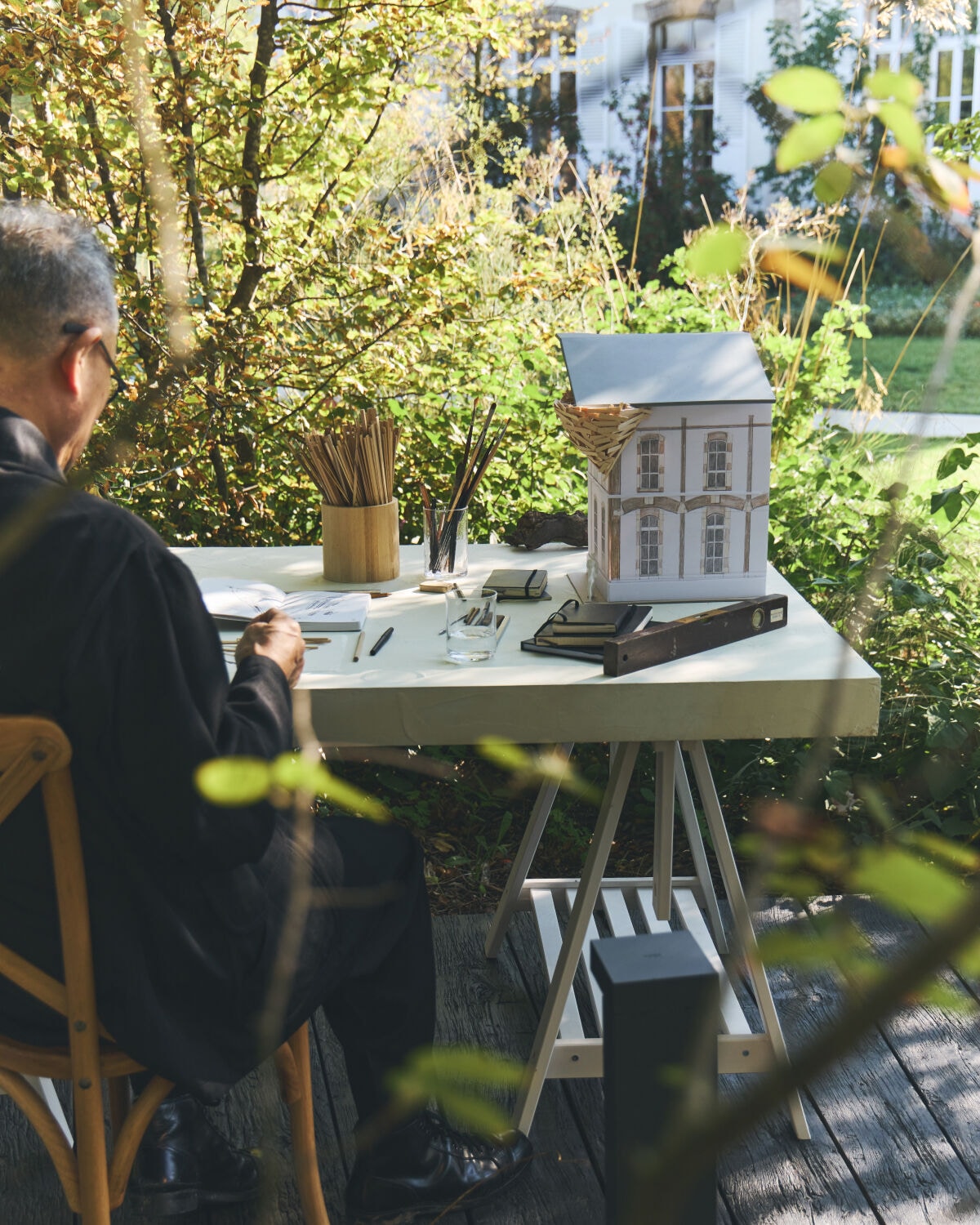
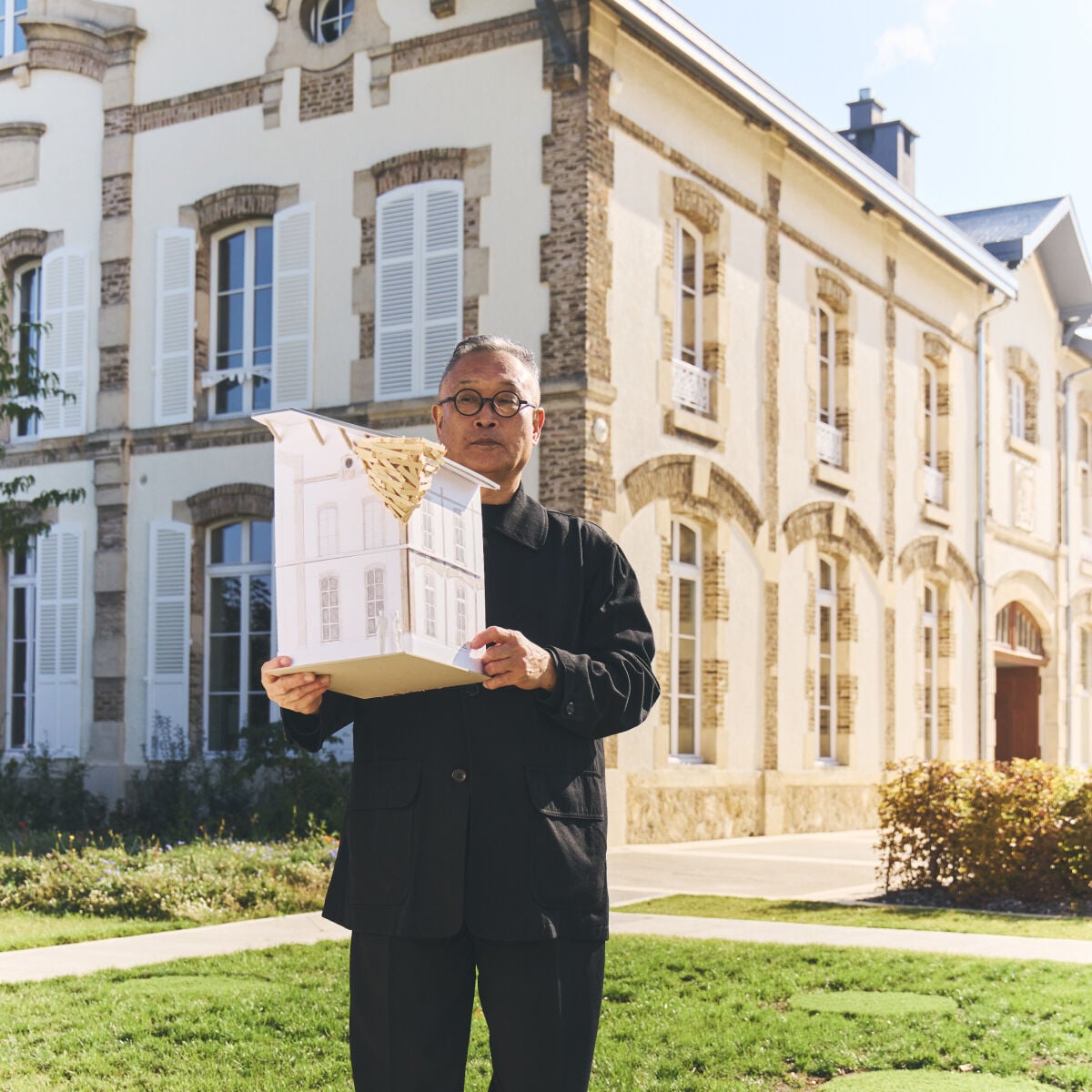
Following his discovery of the site and the Maison’s vineyards, the artist was struck by the balance of the elements, the shifting light, the presence of wind and humidity, and the quiet movements of living nature. From this first impression emerged drawings and models, the initial stages of a creative process deeply rooted in the territory.
Created in situ, the works take the form of open structures and observation points that blend subtly into the landscape. Through the seasons, they invite visitors to take a renewed look at the surrounding nature and at the distinctive spirit of 4 RUE DES CRAYÈRES.
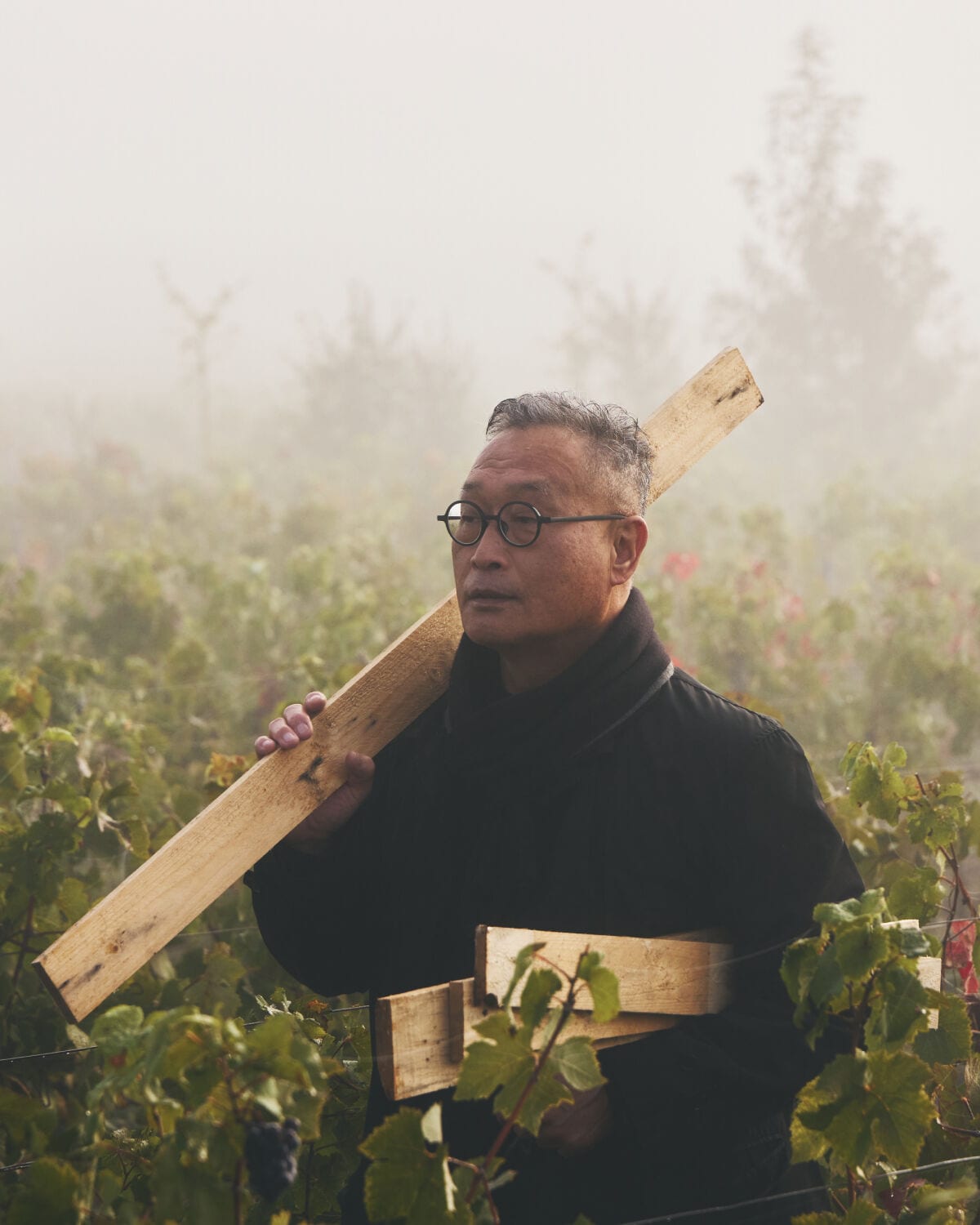
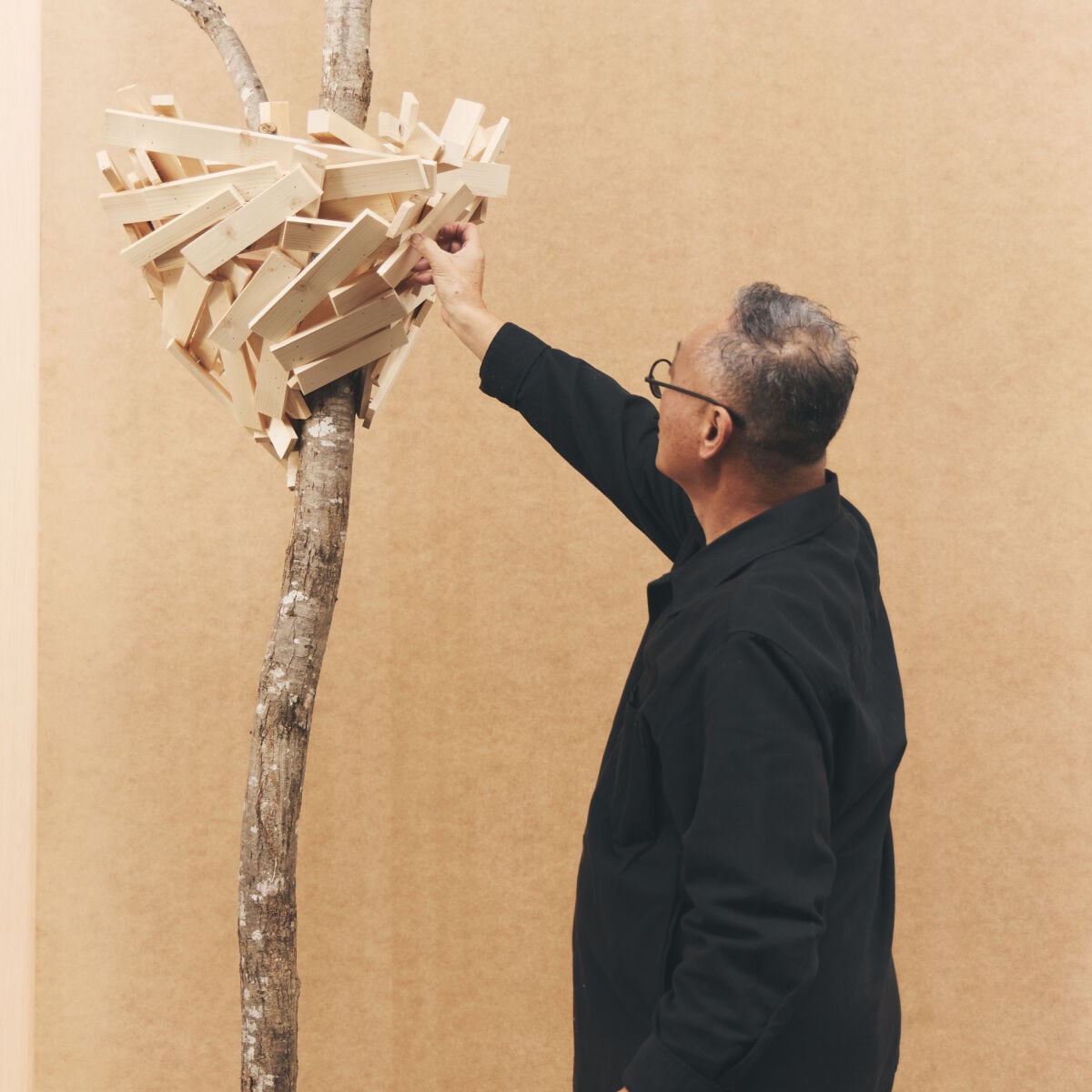
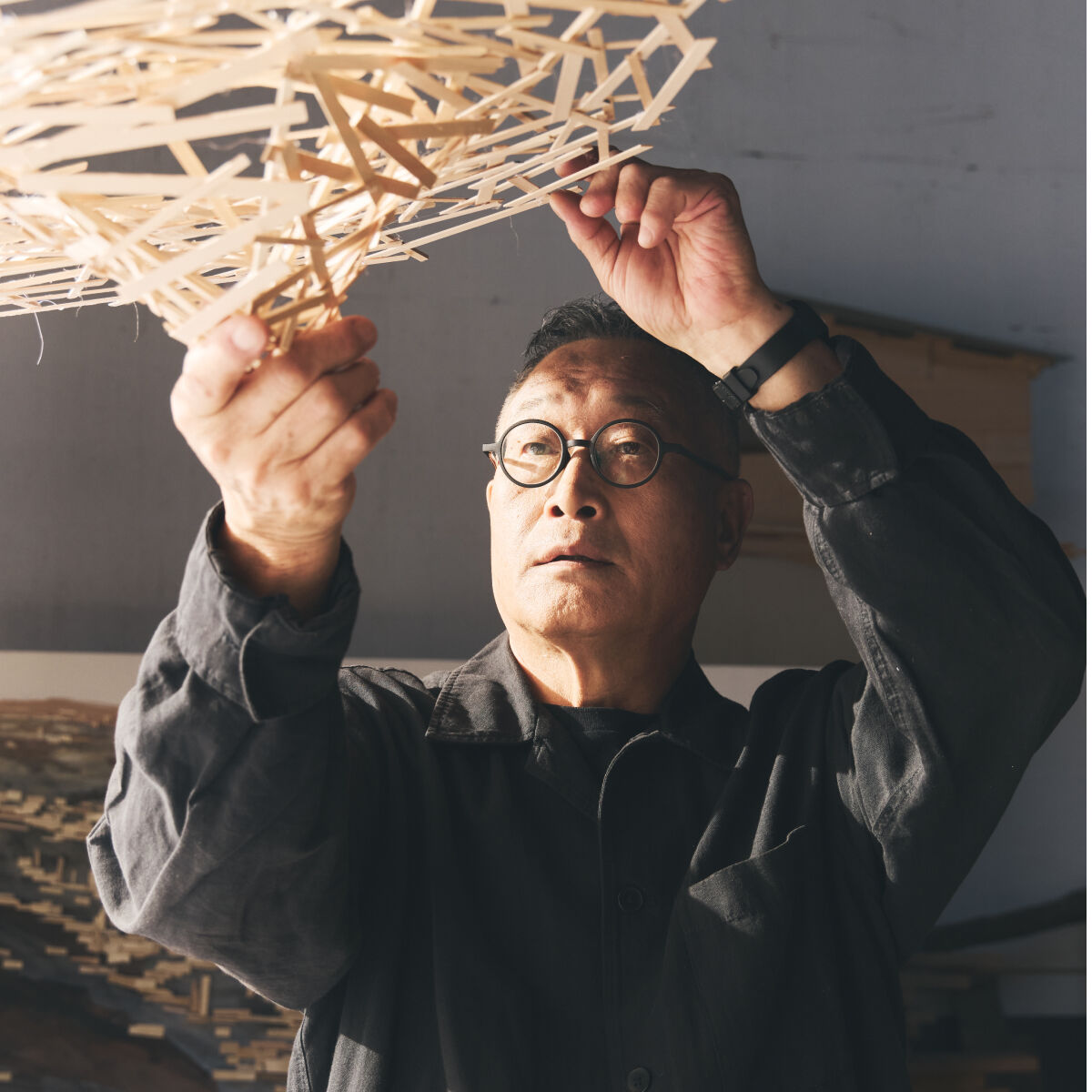
Tadashi Kawamata is famous for his in-situ installations, designed in close relation to their environment, whether natural, urban, or architectural. Working with wood and reused materials, the artist creates fragile, immersive structures that invite viewers to take a fresh look at space and landscape.
His approach is based on a sensitive observation of living things: light, air currents, vegetation, and natural rhythms feed into a creative process involving drawings and models before large-scale production.
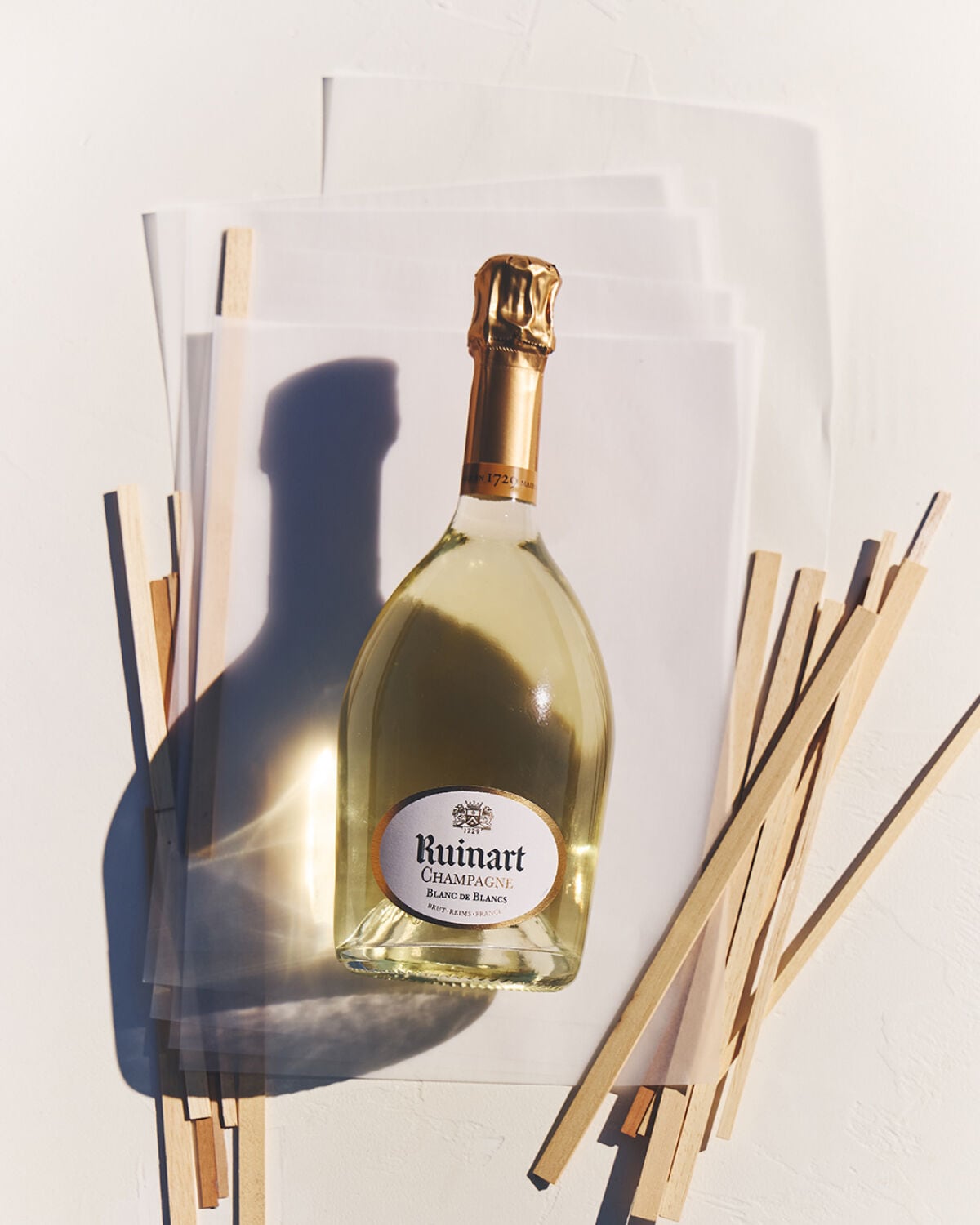
Through his work, the artist encourages us to rethink our view of the world around us and to observe the vibrations of nature, essential to the harmony of champagne.
In May, Tadashi Kawamata will unveil in situ installations for Ruinart, designed especially for the 4 RUE DES CRAYÈRES site in Reims.
BIOGRAPHY
Born in 1953 in Hokkaido, Japan, Tadashi Kawamata lives and works between Tokyo and Paris. His artistic career explores the links between art, architecture, and the environment, with a particular focus on the reuse of materials and issues related to the ephemeral and the transformation of spaces.
A figure in contemporary art, he is known for his site-specific interventions that alter our perception of the world and question the fragility of our constructions in the face of the forces of nature. His work has been shown in numerous international institutions and major art events. Tadashi Kawamata is represented by the Mennour Gallery in Paris.
Tadashi Kawamata, artist 2026 from Conversation with Nature
RUINART AND ART
For nearly three centuries, Maison Ruinart has been crafting its champagnes in harmony with nature, observing the soil, vines, and biodiversity to reveal the elegance and finesse of its Chardonnay. Today, this living relationship with the natural world is reinterpreted through art in the Conversations with Nature series.
Convinced that art has the power to transform, connect, and enlighten, the House invites committed artists to give voice to living things, raise awareness, and inspire a deeper connection with nature. Each work thus becomes a bridge between the viewer and the world around them, offering a sensory and poetic experience while highlighting the fragile balance of ecosystems.